Six Commitments for AI in Legislative Drafting
October 26, 2026

Over the past few months, I’ve written about government’s responsibilities in the age of AI and about how AI is eroding the rigor of legislative drafting. It’s only fair that I hold Xcential to the same standard.
So today we’re publishing six commitments that govern every AI feature in LegisPro, now and in the future. They aren’t marketing language. They are rules we have built into the architecture, and we expect our customers to hold us to them.
Why now? Every legislative body I talk to is asking the same questions. Will AI write our laws? Where do our confidential drafts go? What happens if an AI vendor changes its terms, or disappears? Those are the right questions, and drafting offices deserve clear answers before they turn on a single AI feature.
AI Never Authors the Law
Let me start with where we stand. LegisPro does not generate legislation. Attorneys and drafters author every word.
The software that drafts, amends, compiles and publishes law in LegisPro is a deterministic core. Give it the same inputs and it gives you the same result, every time, using the rules from your own drafting manual. That is what you want from a system that produces the law.
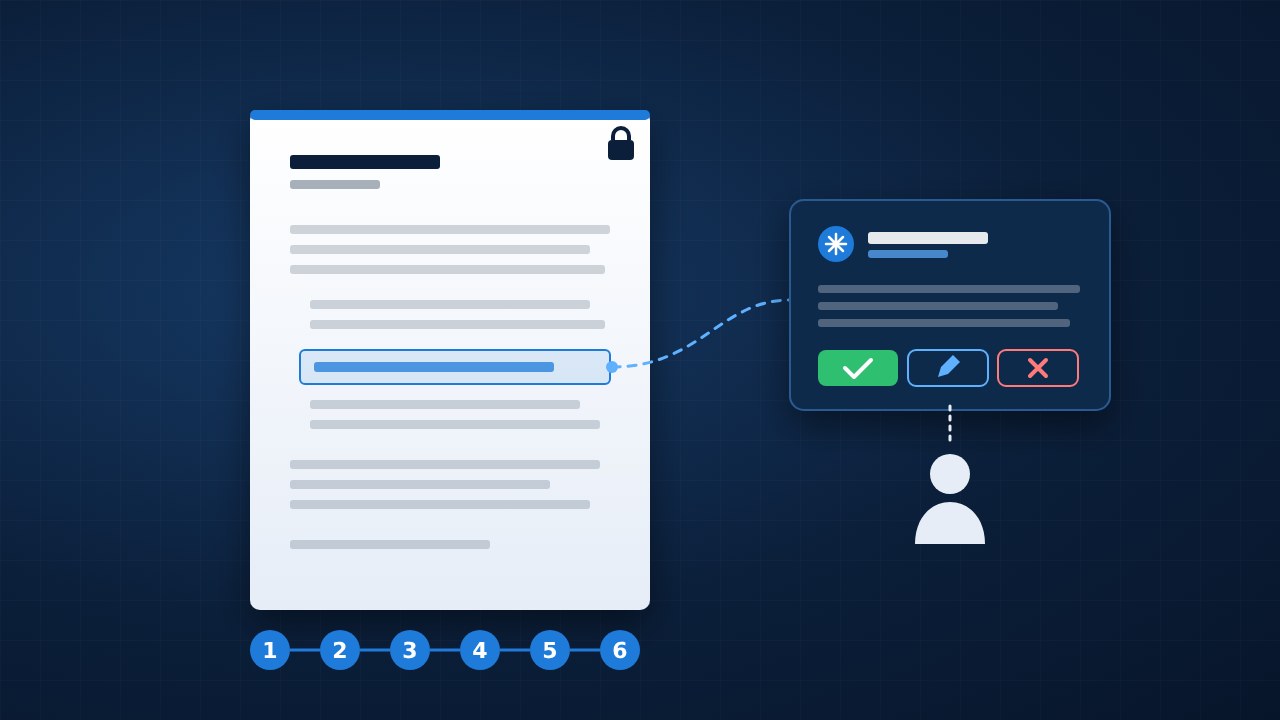
AI sits beside that core, not inside it. It can suggest a change, find a reference or explain a provision. But it only ever proposes. A drafter decides.
The Six Commitments
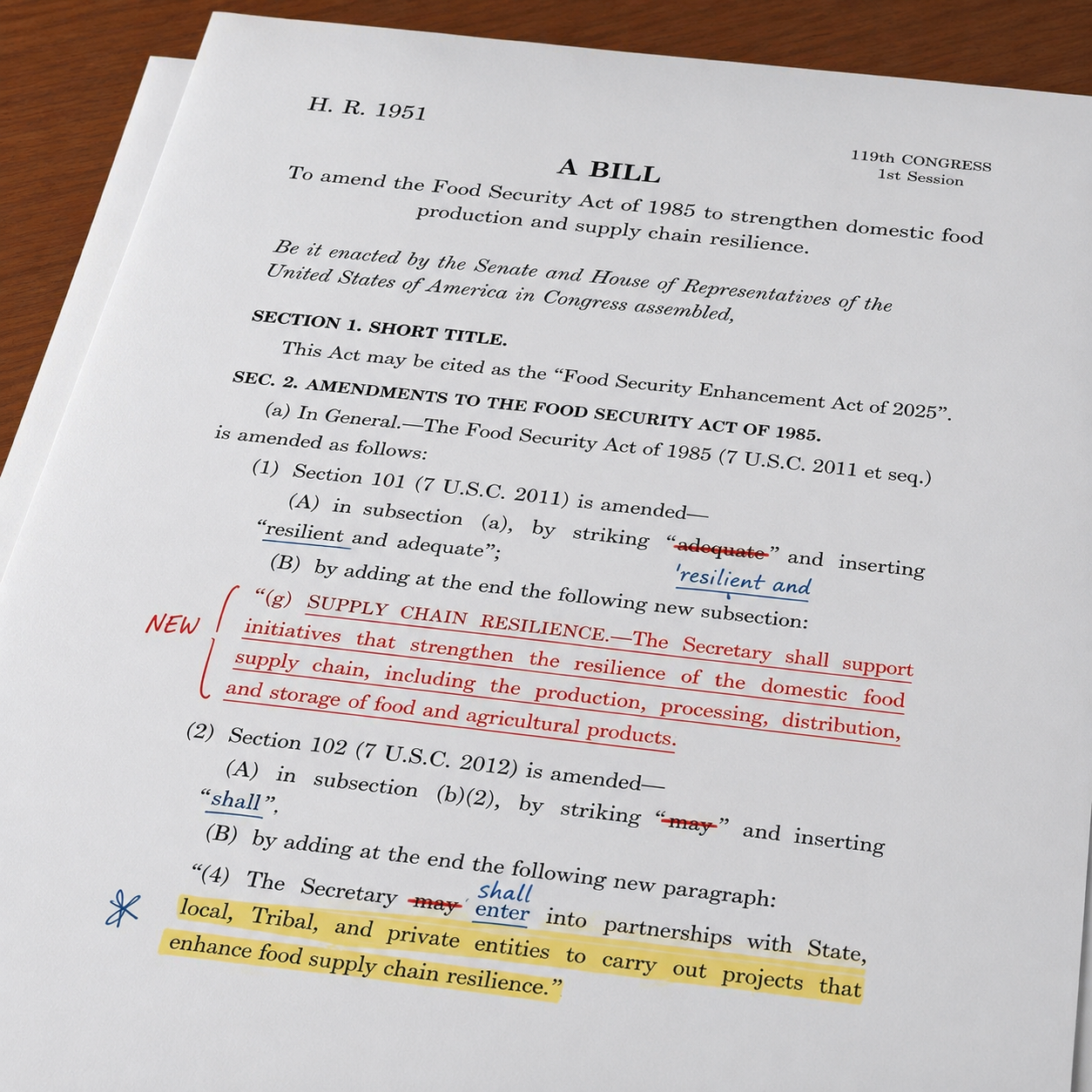
- The drafter stays in charge. AI returns proposals, never edits. Each proposal shows the provision it relied on and why. A drafter accepts, changes or rejects it, and nothing reaches the text without that decision.
- The deterministic core never requires AI. Everything needed to draft, amend, compare and publish law works with AI switched off. Each AI feature has its own switch, and turning AI off changes none of the core’s results.
- Confidentiality comes first. Drafts are confidential until they are introduced. We require zero data retention, and customer material is never used to train a model without written consent. Prompts and responses are treated as privileged, not open to the whole office.
- Processing stays within your boundaries. By default, AI runs where you say it runs. You may choose otherwise; Xcential never will. If a policy check fails, the AI does nothing.
- No dependence on any one AI vendor. AI models change fast, and your drafting system shouldn’t have to change with them. Models sit behind one gateway, so they can be replaced without rework, and each is tested on your documents before use.
- Authoritative data first. AI answers from your own official text, not from whatever a model happens to remember. Every proposal cites a provision that resolves and quotes the words it relied on, so a drafter can check it in one step.
Why We Start with Open-Weight Models
If you haven’t come across the term, an open-weight model is an AI model whose trained settings are published. That means it can be installed and run on your own computers, rather than reached over the internet on someone else’s.
The difference matters. With a hosted AI service, your text travels to the vendor. With an open-weight model, the model travels to you. That one change makes several of the commitments above practical:
- Residency. Your drafts stay where you keep them.
- Privilege. No outside party sees prompts or responses.
- Isolated operation. It works with no internet connection at all, including in an emergency facility.
- Freedom of choice. You can move to a better model whenever one comes along.
- Predictable versions. The model changes only when you decide it should.
That’s why our default is an open-weight model running inside the customer’s own boundary.
Your Choice, Never Ours
A default is not a mandate. Some customers will prefer a commercial AI provider, and that is their right. LegisPro supports it: the customer chooses the provider, the choice is recorded, and every other safeguard still applies. Proposals stay proposals, AI still can’t write to the law, and the drafter still makes every change.
What we will never do is make that choice for a customer. Where your legislative text is processed is a policy decision for your institution, not a business decision for your software vendor.
Built In, Not Bolted On
Promises are easy to make. What gives these ones weight is that the architecture enforces them:
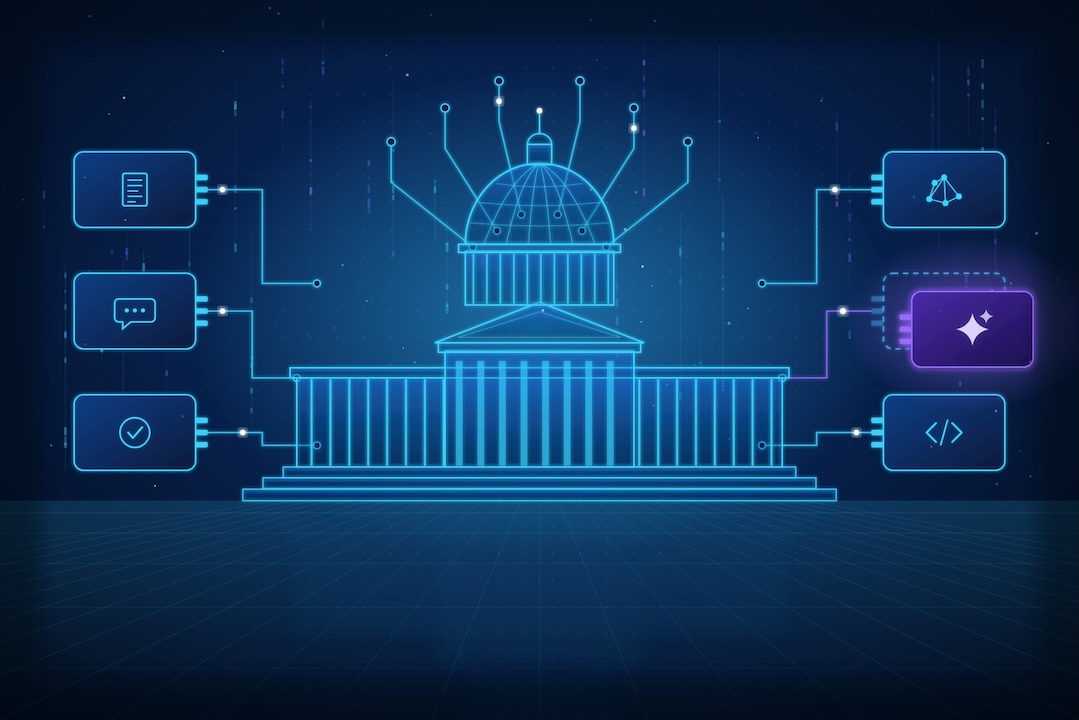
- AI features return proposals as output. There is no path for them to write to a bill or a compilation.
- The connection AI uses to read the law, an MCP service we are building now, is read-only and runs with the user’s own permissions.
- All AI requests go through a single AI service that checks policy before every call and refuses anything that fails.
- The drafting office decides which AI features are allowed, which models are used, and where they run, and that record is kept.
- New AI features arrive as packages of instructions and data rather than new code, so every one passes the same checks.
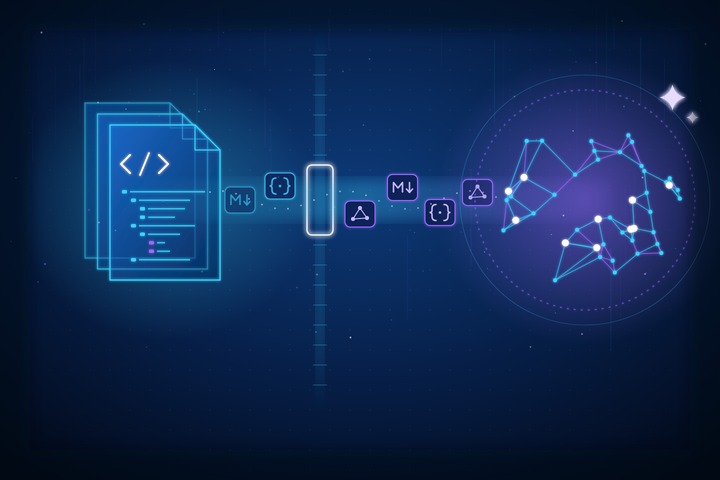
AI has a real role to play in legislative drafting. It can take on the slow, mechanical work, such as converting existing law into structured text, and leave drafters more time for the judgment only they can provide. But the law is too important to hand over to a tool that can’t be held accountable.
The drafter decides. Always.
If you’d like to talk about any of these commitments, or how they would apply in your own office, I’d be glad to hear from you at grant@xcential.com.
by Grant Vergottini, CEO of Xcential